
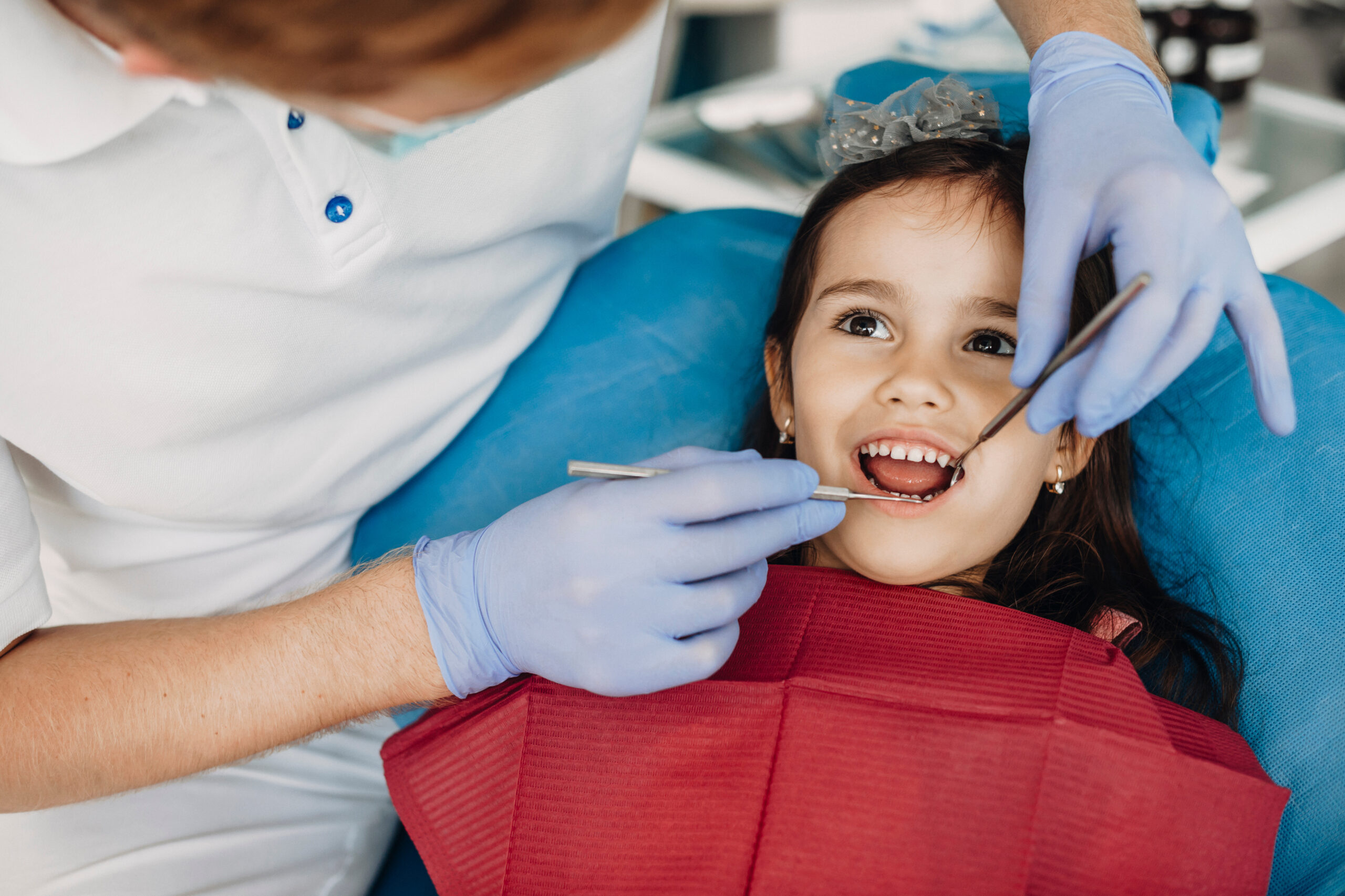
You just found out your child has a cavity in one of their baby teeth, and now you’re wondering if it’s even worth fixing. After all, that tooth is going to fall out eventually, so why put your little one through a dental procedure for something temporary? It’s a fair question, and one I hear often from parents in my chair.
Hi, I’m Dr. Bri, and I get why this feels confusing. Baby teeth do more work than most people realize, holding space for adult teeth, helping with speech, and letting kids chew properly while their bodies grow. When a cavity forms and goes untreated, it can turn a simple, painless fix into a much bigger problem, and that’s something I want every parent in the South Bay to understand before deciding on their child’s preventative dental care.
Why Baby Teeth Matter More Than You Think
Baby teeth are not just placeholders. They guide the eruption of permanent teeth, and losing one too early can cause the surrounding teeth to shift out of place. This can crowd out the incoming adult tooth or throw off your child’s bite entirely.
There is also the day-to-day impact to consider. A child with a painful cavity may have trouble eating certain foods, speaking clearly, or even sleeping through the night. Kids are resilient, but dental pain does not discriminate by age, and it can affect their mood, focus, and comfort in ways that are easy to miss at first.
What Happens if a Cavity Goes Untreated
Untreated decay does not stay put. It spreads deeper into the tooth, and once it reaches the nerve, an infection can develop. At that point, we may need to move from a simple filling to a more involved restorative procedure.
Nationally, this is a bigger issue than most parents assume. According to the CDC, half of children aged 6 to 9 years have had cavities in their primary or baby teeth or permanent teeth, and children from lower income households were shown to be at a higher risk of leaving those cavities untreated. Catching decay early keeps treatment simple and keeps your child comfortable.
When a Filling Is All You Need
Most cavities we see in baby teeth are caught early enough that a straightforward dental filling does the job. We remove the decayed portion of the tooth and replace it with a durable material that restores its shape and function. It is quick, it is routine, and your child is usually back to their normal self within the hour.
Fillings are one of the most common procedures in pediatric dentistry, and for good reason. They stop decay in its tracks before it can reach the nerve or spread to neighboring teeth. If your child has a cavity that has just been discovered, there is a good chance this is exactly the kind of care we would recommend.
When the Decay Has Gone Deeper
Sometimes a cavity is caught later, after it has already reached the inner pulp of the tooth. In these cases, we may need more comprehensive restorative dentistry to save the tooth and manage any infection before it spreads. This can include:
- Deeper cleaning: Removing decay and infected tissue from inside the tooth
- Protective medication: Placing materials that calm the nerve and prevent further infection
- A crown: Covering the tooth to protect it after treatment, since baby teeth weakened by deep decay often need extra support to function normally until they fall out naturally
I know it can feel overwhelming to hear that a cavity has progressed this far, but even in these situations, we have options that keep your child comfortable and protect their smile for the years they still have that tooth.
Prevention Still Makes the Biggest Difference
While treatment is always available when a cavity shows up, prevention is where we can make the most impact. Regular dental exams let us catch small areas of decay before they turn into anything more serious, and they give us the chance to apply protective measures like sealants or fluoride before a cavity even has the chance to form.
Good habits at home matter just as much. Brushing twice a day, limiting sugary snacks and drinks, and scheduling consistent visits all work together to keep your child’s smile healthy between appointments. Every stage of your child’s smile comes with its own questions, and we’ve put together answers for what to expect along the way.
Getting the Care Your Child Needs at SoCal Pediatric Dentistry
If your child has a cavity, whether it was just discovered or has been bothering them for a while, treating it now is almost always simpler and gentler than waiting. I trained at UCSD, USC, and NYU College of Dentistry, and as a Diplomate of the American Board of Pediatric Dentistry, I focus specifically on making sure kids feel calm, safe, and cared for at every visit.
We keep things bright, warm, and welcoming at SoCal Pediatric Dentistry, because we know a trip to the dentist can feel like a big deal for a little one. If you are ready to get your child’s cavity treated or just want a second opinion, reach out to our team and we will take good care of them from the moment they walk through our door.