
If your child has never had a dental cleaning, or if their last one ended in tears, it helps to know exactly what is coming. A lot of the worry parents feel is really about the unknown, and once you can picture each step, that first appointment feels a lot less intimidating for both of you.
That is exactly why we built our approach around comfort at every stage, starting with our dental exams and continuing through the entire cleaning process. Below, we walk through what a typical pediatric cleaning looks like from arrival to goodbye, so you know exactly what to expect before you ever sit down in the chair.
Checking in and Getting Comfortable
The visit starts the moment your child walks through our door. We keep the space bright and welcoming, because a calm environment sets the tone for everything that follows. Our team greets your child by name, answers any questions you have, and gives your little one a few minutes to settle in before heading back.
Once your child is called back, we ask simple, friendly questions about brushing habits, any loose teeth, or sensitivities they may be feeling. This is not an interrogation. It is a quick way for us to understand what is going on in their mouth before we even pick up a tool.
A Closer Look at Your Child’s Smile
Before any cleaning begins, we take a look at your child’s teeth and gums to check for anything that needs attention. We use intraoral cameras to show parents and kids alike exactly what we are seeing, making it easier to understand what’s happening inside their mouths.
When needed, we take dental X-rays to help us see areas that aren’t visible during the visual exam. This helps us complete a thorough diagnostic exam and identify concerns that might otherwise go unnoticed.
By catching issues like early tooth decay or developing crowding early, we can often address them before they become more complicated or uncomfortable for your child.
Removing Plaque and Polishing Little Teeth
Next comes the part most people picture when they think of a cleaning. We use a small handheld tool to gently remove plaque and tartar buildup along the gumline and between teeth, an area toothbrushes tend to miss. Then we polish each tooth with a soft, spinning brush and a flavored paste that most kids actually enjoy picking out themselves.
The polishing step leaves teeth feeling smooth and looking brighter, but its real job is removing surface stains and leftover plaque before it has a chance to harden. We take our time here, especially with younger patients or kids who are new to the chair, so nothing ever feels rushed.
Flossing and a Fluoride Boost
After polishing, we floss between every tooth to clear out anything the brush and polish left behind. For a lot of children, this is the first time anyone has flossed their teeth thoroughly, and it is a great moment to show parents proper technique they can try at home.
We typically finish with a quick fluoride treatment. Fluoride strengthens enamel and helps protect against cavities, and the American Academy of Pediatric Dentistry recommends starting professional cleanings and exams by a child’s first birthday and repeating them roughly every six months depending on individual risk. Staying on that schedule is one of the simplest ways to keep small problems from turning into bigger ones.
Talking Through What We Found
Once the cleaning wraps up, we sit down with you to go over anything we noticed, from a tooth that needs watching to habits worth adjusting at home. If we spot something more involved, like a cavity that needs a filling or a tooth that could benefit from a dental crown, we explain the recommendation clearly and answer every question before you leave.
We also use this time to talk about home care. Simple things like brushing technique, flossing consistency, and snack choices make a real difference between visits, and we would rather arm you with practical tips than a long list of rules.
When a Cleaning Uncovers Something More
Sometimes a routine cleaning reveals an issue that needs a bit more care, and that is completely normal. If we notice a tooth that is unusually short on space or a bite that looks off, we may recommend a space maintainer or a referral for further evaluation. If we spot signs of a tongue or lip tie affecting feeding or speech, we can also discuss options like our tongue tie treatment.
None of these findings mean something went wrong. They just mean we caught it early, which is always the goal of a preventive visit in the first place.
Making It a Positive Experience for Your Child
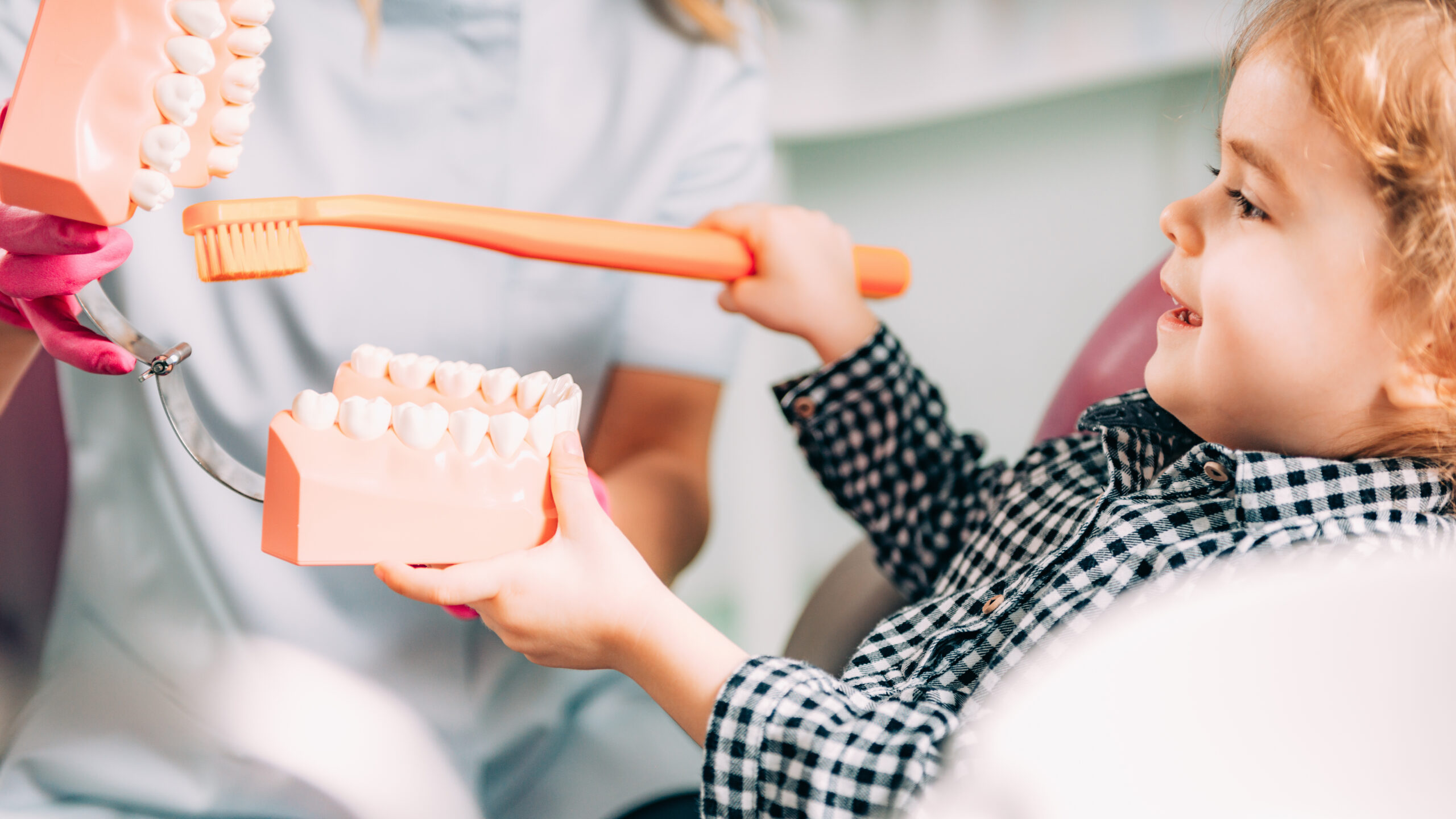
We know a big part of whether a child dreads or looks forward to the dentist comes down to how their early visits feel. That is why we keep things light, explain each step in kid friendly language, and let your child ask questions or hold the mirror if they want to see what we are looking at.
Small wins matter here. A sticker, a high five, or simply hearing “you did such a great job” can shape how a child feels about dental visits for years to come. We would rather build confidence now than spend years undoing dental anxiety later.
Getting Started at SoCal Pediatric Dentistry
At SoCal Pediatric Dentistry, we built our practice around one simple idea: dental visits should feel comfortable, not scary, for kids of every age. Dr. Bri trained specifically in pediatric dentistry and behavioral management, so she and our team know how to keep even nervous first timers calm and cooperative from checkin to goodbye.
Whether your child is due for their very first cleaning or it has been a while since their last visit, we would love to see their smile. You can reach out through our contact form to schedule an appointment, and we will take it from there.